The useful answer
Choose shared-tool tracking by the record you need. A last-seen observation helps locate a visible tool. Inventory records track defined stock units. A checkout process records an agreed handover. Equipment condition needs an inspection or maintenance record.
Write the question before choosing the system
“Where did we last see the test lead?” and “Who has the test lead?” sound similar when a project is waiting. They require different evidence. A picture of the drawer can help with the first question; it cannot identify a borrower or prove that a handover took place.
Ask the team which uncertainty actually interrupts work. If the recurring issue is unrecorded loans, a clear checkout process may help more than another camera. If it is a forgotten storage place, a recent visual reference may be enough.
Keep four records distinct
Location records pair an object with an observed place and time. Inventory records define a unit and track additions, removals and adjustments. Checkout records identify the agreed item, borrower and return expectation. Condition records capture the inspection needed before equipment is used.
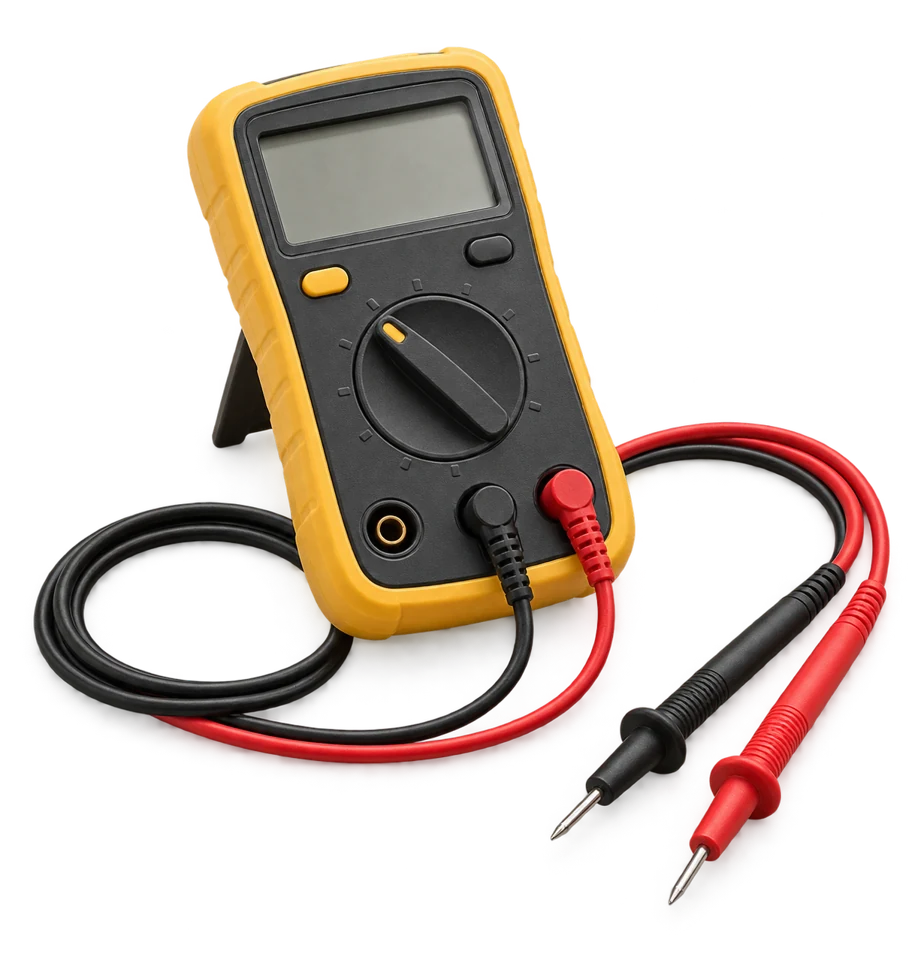
These records can complement one another, but one does not substitute for all the others. An image of a multimeter does not prove it is working, within calibration or appropriate for the task. Use the equipment’s established inspection and operating process.
- Location: where and when was this item observed?
- Inventory: how many defined units are recorded?
- Checkout: who accepted the item and what return was agreed?
- Condition: what inspection or maintenance supports using it?
Start with one bounded shared area
Choose two drawers containing coarse, recognisable items. Give them stable names and leave the important tools visible. Keep tiny components in labelled bins with their own counting process rather than expecting a photograph to resolve overlapping parts.
Agree who maintains the layout and who can access observations. Make the purpose explicit to the people using the workspace. An object record should support finding tools, not unsupported conclusions about someone’s behaviour.
Check whether the record changes the next action
During an ordinary project, notice what happens when an item cannot be found. Does checking the record lead to the right drawer? Does it reduce an interruption? Does an old or obscured observation simply send the team back to searching?
Keep a short account of both helpful and unhelpful cases before expanding coverage. The practical result matters more than the number of objects named. DrawerSense is centred on last-seen context; use the demo to inspect the record and its limits before choosing it for your workspace.