The useful answer
A shared drawer works best when everyone uses the same name for it, knows what belongs there and can return an item without reorganising the drawer. Start with that agreement. Add labels or observations only where they help answer a recurring household question.
Use names people already understand
“Utility drawer beside the fridge” is more helpful than “Drawer 02” if that is how your household talks. Pick a name that points to a stable place, then use it consistently in labels, notes and any digital record.
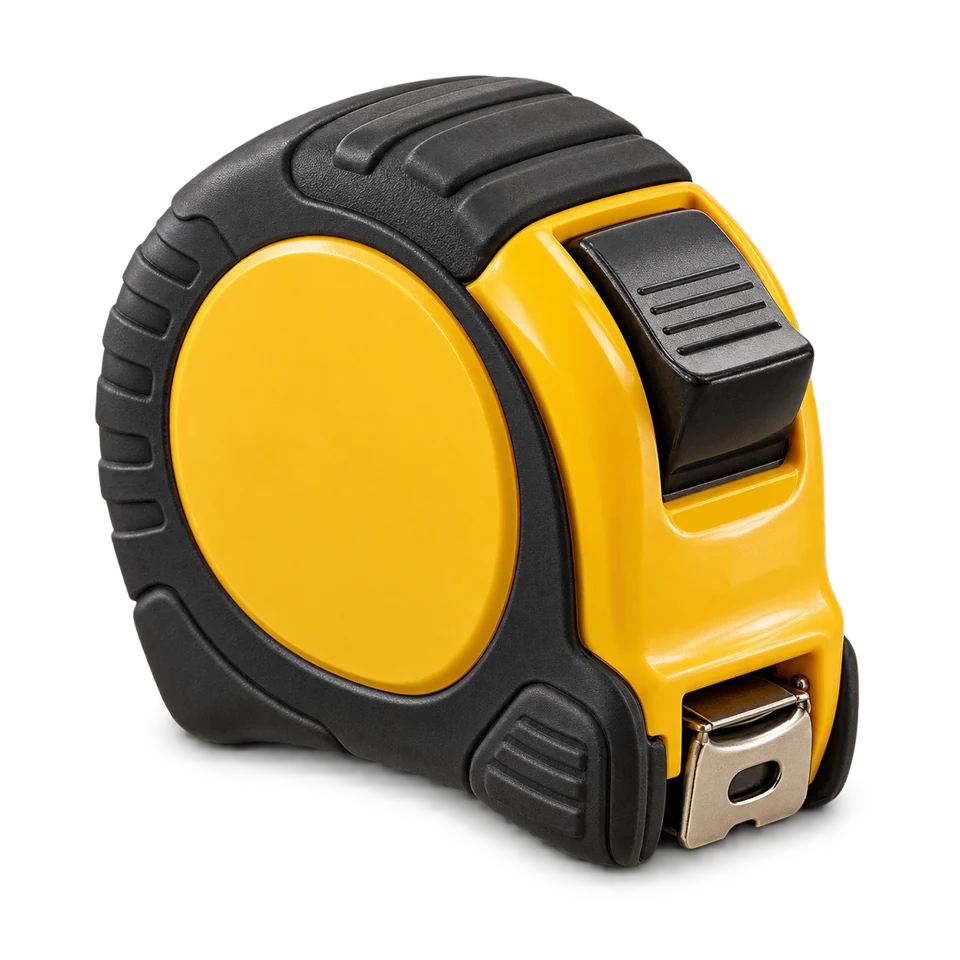
Choose a small set of shared objects first: the tape measure, scissors and spare charger, for example. Ask where people currently expect to find them. If everyone expects a different place, a more sophisticated record will not solve the disagreement by itself.
Design the return, not just the storage
The moment an item goes back is where many systems fail. Make the destination visible and easy to reach. A shallow open section for the tape measure is often easier to maintain than a box beneath other supplies.
Avoid filling every available space. A little spare room helps the drawer tolerate a rushed return. After a normal week, look for the objects that repeatedly land somewhere else and adjust their home to the routine.
- Agree on the everyday items that belong in the drawer.
- Give each group a visible place with room to return it.
- Keep personal items separate from the shared area.
- Review the arrangement together after ordinary use.
Agree on the camera before using the camera
Shared storage may contain information people did not intend to share: a prescription label, personal note or address on packaging. Discuss what will be visible, who can access records and how unwanted records can be removed before introducing observation.
Keep sensitive contents outside the observed area. If someone does not want a shared drawer recorded, choose another drawer or a simpler record. A useful setup should fit the people living with it.
Read an observation as a starting point
Imagine the tape measure was seen in the utility drawer in the morning. Someone may have taken it to a room with no camera coverage later. The morning record gives you a place and time to check, not a complete account of what happened next.
DrawerSense focuses on that last-seen context. For a connected-home workflow, check the exact integration you need before purchase. A drawer memory and a Home Assistant automation are separate capabilities; the latter is not currently available as a DrawerSense connection.